The German Shepherd is one of the most beloved and versatile dog breeds in the world. Known for their intelligence, loyalty, and versatility, German Shepherds excel in various roles, including family companions, service dogs, police and military work, and search and rescue operations. However, owning a German Shepherd comes with great responsibility, as they require proper training, socialization, and care to thrive.
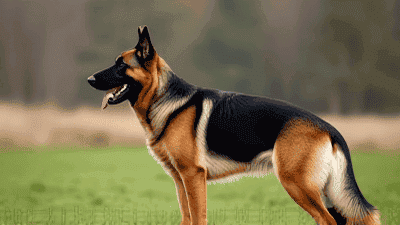
The German Shepherd is one of the most beloved and versatile dog breeds in the world. Known for their intelligence, loyalty, and versatility, German Shepherds excel in various roles, including family companions, service dogs, police and military work, and search and rescue operations. However, owning a German Shepherd comes with great responsibility, as they require proper training, socialization, and care to thrive.
1. The History of the German Shepherd
Origins
The German Shepherd breed was developed in Germany in the late 19th century by Captain Max von Stephanitz. His goal was to create a versatile working dog with intelligence, strength, and a strong work ethic.
Early Roles
German Shepherds were initially bred for herding sheep, but their intelligence and adaptability soon made them popular in other roles, such as police and military work.
Global Popularity
Today, German Shepherds are one of the most recognized and admired breeds worldwide, thanks to their loyalty, versatility, and striking appearance.
2. Characteristics of the German Shepherd
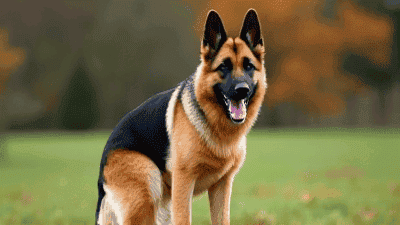
Physical Traits
- Size: German Shepherds are large dogs, with males typically weighing 65-90 pounds and females weighing 50-70 pounds.
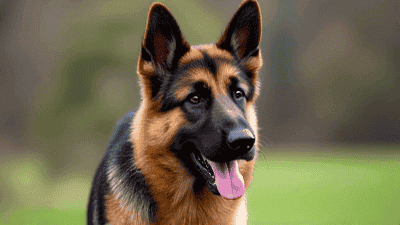
- Coat: They have a double coat that can be either short or long. Common colors include black and tan, sable, and solid black.
- Build: German Shepherds are muscular and athletic, with a strong, agile body.
Temperament
- Intelligence: German Shepherds are highly intelligent and quick learners, making them ideal for training.
- Loyalty: They are deeply loyal to their families and form strong bonds with their owners.
- Protective Instincts: German Shepherds are naturally protective and make excellent guard dogs.
- Energy Level: They are high-energy dogs that require regular exercise and mental stimulation.
3. Training Your German Shepherd
Why Training Is Essential
German Shepherds are intelligent and eager to please, but they can also be strong-willed and dominant if not properly trained. Early training and socialization are crucial to ensure they grow into well-behaved and balanced adults.
Basic Training Techniques
Socialization
- Start Early: Begin socializing your German Shepherd puppy as early as possible, ideally between 3 and 12 weeks of age.
- Exposure: Introduce your puppy to different people, animals, environments, and experiences to build confidence and reduce fear.
- Positive Reinforcement: Use treats, praise, and play to reward your puppy for positive interactions.
Obedience Training
- Basic Commands: Teach your German Shepherd basic commands such as sit, stay, come, and heel. Use consistent verbal cues and hand signals.
- Leash Training: Train your dog to walk calmly on a leash without pulling. Start with short walks and gradually increase the distance.
- Crate Training: Use a crate to provide a safe and comfortable space for your dog. Gradually accustom your dog to the crate with positive reinforcement.
Advanced Training
Agility Training
- Benefits: Agility training provides physical exercise and mental stimulation, helping your German Shepherd stay fit and engaged.
- Equipment: Use agility equipment such as jumps, tunnels, and weave poles to create a fun and challenging course.
- Training Tips: Start with simple obstacles and gradually increase the difficulty as your dog becomes more confident.
Protection Training
- Professional Guidance: Protection training should only be conducted under the guidance of a professional trainer.
- Purpose: This type of training teaches your German Shepherd to protect your home and family on command.
- Ethical Considerations: Ensure that protection training is used responsibly and does not encourage aggression.
4. Caring for Your German Shepherd
Nutrition
Balanced Diet
- High-Quality Food: Feed your German Shepherd a high-quality dog food that meets their nutritional needs. Look for formulas with real meat as the first ingredient.
- Portion Control: Measure your dog’s food to prevent overfeeding and obesity. Follow the feeding guidelines on the packaging or consult your vet.
- Supplements: Consider adding supplements such as glucosamine and chondroitin to support joint health, especially for active or aging dogs.
Feeding Schedule
- Puppies: Feed puppies 3-4 small meals a day to support their growth and energy needs.
- Adults: Transition to two meals a day once your dog reaches adulthood.
- Seniors: Adjust portion sizes and feeding frequency based on your senior dog’s activity level and health.
Grooming
Coat Care
- Brushing: Brush your German Shepherd’s coat 2-3 times a week to remove loose hair and prevent matting. Increase brushing during shedding season.
- Bathing: Bathe your dog every 6-8 weeks or as needed. Use a dog-specific shampoo to avoid skin irritation.
- Nail Trimming: Trim your dog’s nails every 3-4 weeks to prevent overgrowth and discomfort.
Dental Care
- Brushing: Brush your dog’s teeth 2-3 times a week to prevent plaque buildup and gum disease.
- Dental Chews: Provide dental chews or toys to help keep your dog’s teeth clean.
Exercise
Daily Activity
- Physical Exercise: German Shepherds need at least 1-2 hours of exercise per day, including walks, runs, and playtime.
- Mental Stimulation: Provide puzzle toys, obedience training, and interactive games to keep your dog mentally engaged.
- Off-Leash Play: Allow your dog to run and play in a securely fenced area to burn off energy.
Health Care
Regular Checkups
- Veterinary Visits: Schedule annual wellness exams to monitor your dog’s health and catch potential issues early.
- Vaccinations: Keep your German Shepherd up to date on vaccinations to protect against common diseases.
- Parasite Prevention: Use flea, tick, and heartworm preventatives as recommended by your vet.
Common Health Issues
- Hip Dysplasia: A genetic condition that affects the hip joint. Regular exercise and maintaining a healthy weight can help reduce the risk.
- Degenerative Myelopathy: A progressive spinal cord disease that affects mobility. Early diagnosis and management are crucial.
- Bloat: A life-threatening condition caused by the stomach filling with gas and twisting. Feed smaller meals and avoid vigorous exercise after eating.
5. German Shepherds as Family Pets
Compatibility with Children
German Shepherds are gentle and protective with children, making them excellent family pets. However, supervision is essential to ensure safe interactions.
Compatibility with Other Pets
With proper socialization, German Shepherds can get along well with other pets. Introduce new animals gradually and monitor their interactions.
Living Environment
German Shepherds are adaptable and can thrive in various living environments, but they do best in homes with ample space to exercise. They are not well-suited to apartment living unless they receive sufficient outdoor activity.
6. Adopting a German Shepherd
Choosing a Breeder
- Research: Look for a reputable breeder who prioritizes health, temperament, and the breed standard.
- Health Testing: Ensure the breeder conducts health tests on the parents to screen for genetic conditions.
- Visits: Visit the breeder’s facility to meet the parents and observe the puppies’ environment.
Rescue Organizations
- Adoption: Consider adopting a German Shepherd from a rescue organization or shelter. Many wonderful dogs are in need of loving homes.
- Benefits: Rescuing a dog can be a rewarding experience, and you may provide a second chance to a deserving animal.
Conclusion
The German Shepherd is a remarkable breed that brings loyalty, intelligence, and versatility to any home. However, owning a German Shepherd requires dedication to training, socialization, and proper care. By understanding their unique needs and providing a loving and structured environment, you can ensure your German Shepherd thrives as a cherished member of your family. Whether you’re considering adopting a German Shepherd or are already a proud owner, this guide will help you navigate the joys and responsibilities of raising this extraordinary breed.